Eco-Friendly Renovation Trends: What Homeowners Need to Know


In recent years, eco-friendly home renovations have gained momentum as more homeowners seek sustainable ways to upgrade their living spaces. Embracing these trends not only benefits the environment but can also enhance the value and comfort of your home.
Understanding Sustainable Materials
One of the core aspects of eco-friendly renovation is the use of sustainable materials. Homeowners are increasingly opting for materials like bamboo, reclaimed wood, and recycled metal. These materials are not only environmentally friendly but also offer unique aesthetic appeal.
Bamboo, for example, is a rapidly renewable resource that can be used for flooring and cabinetry. Reclaimed wood adds character and history to any space, while recycled metal can be used in various applications, including roofing and structural elements.

Energy-Efficient Appliances
Installing energy-efficient appliances is a crucial step in reducing a home’s carbon footprint. Modern appliances, such as refrigerators, dishwashers, and ovens, are designed to use less energy while providing the same level of performance.
Look for appliances with the Energy Star label, which indicates they meet or exceed energy efficiency guidelines. These appliances can significantly reduce utility bills and environmental impact over time.
Incorporating Smart Home Technology
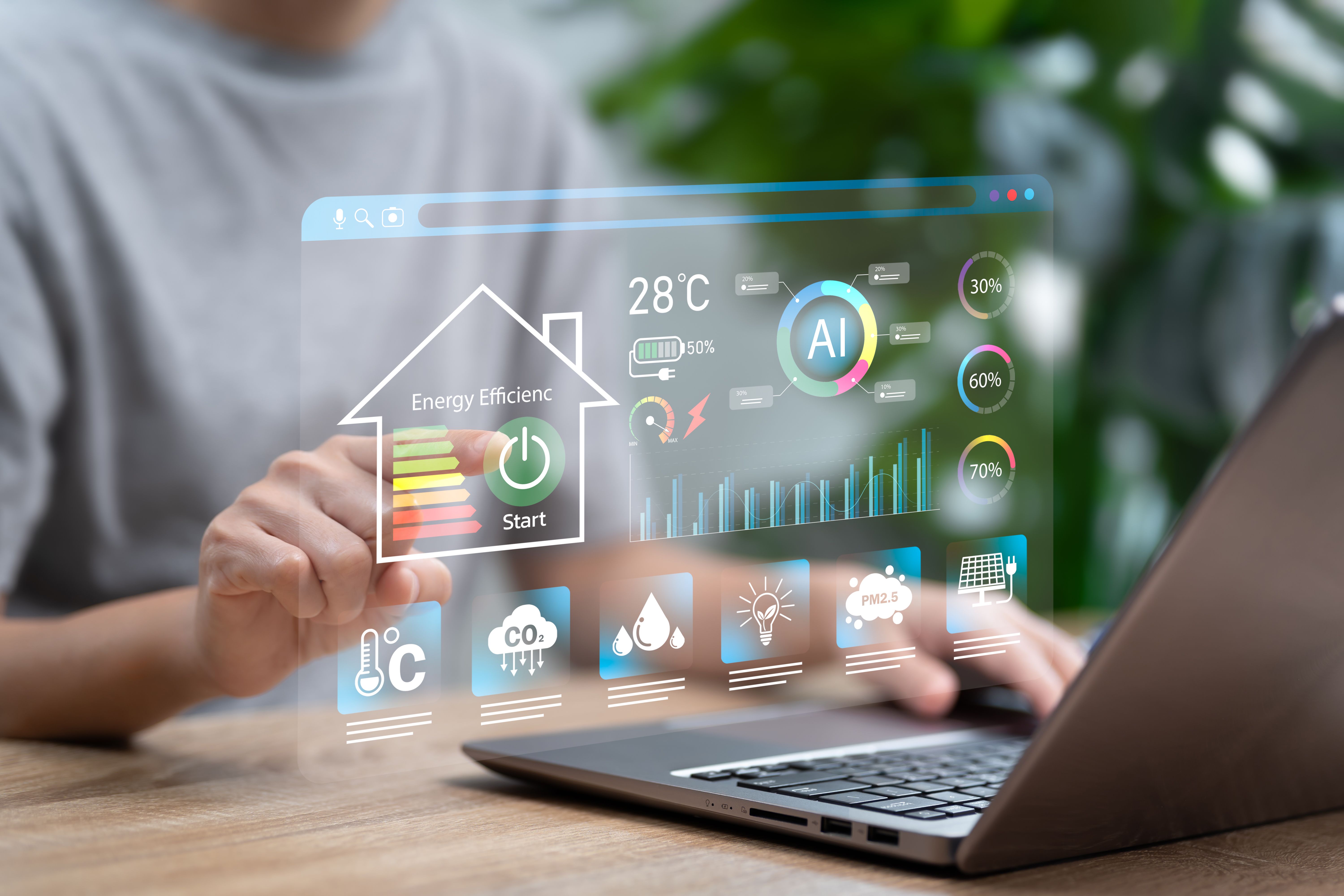
Smart home technology has revolutionized the way homeowners manage energy consumption. Devices such as smart thermostats, lighting systems, and energy monitoring tools can optimize energy use and reduce waste.
Smart thermostats, for instance, learn your schedule and adjust temperatures accordingly, ensuring comfort while minimizing energy use. Similarly, smart lighting systems can be programmed to turn off when not in use, further enhancing efficiency.
Water Conservation Techniques
Water conservation is another critical aspect of eco-friendly renovations. Homeowners are increasingly installing low-flow fixtures, dual-flush toilets, and rainwater harvesting systems to reduce water usage.
Low-flow fixtures, such as showerheads and faucets, maintain pressure while using significantly less water. Rainwater harvesting systems can be implemented to collect and reuse rainwater for landscaping and other non-potable uses.
Harnessing Renewable Energy
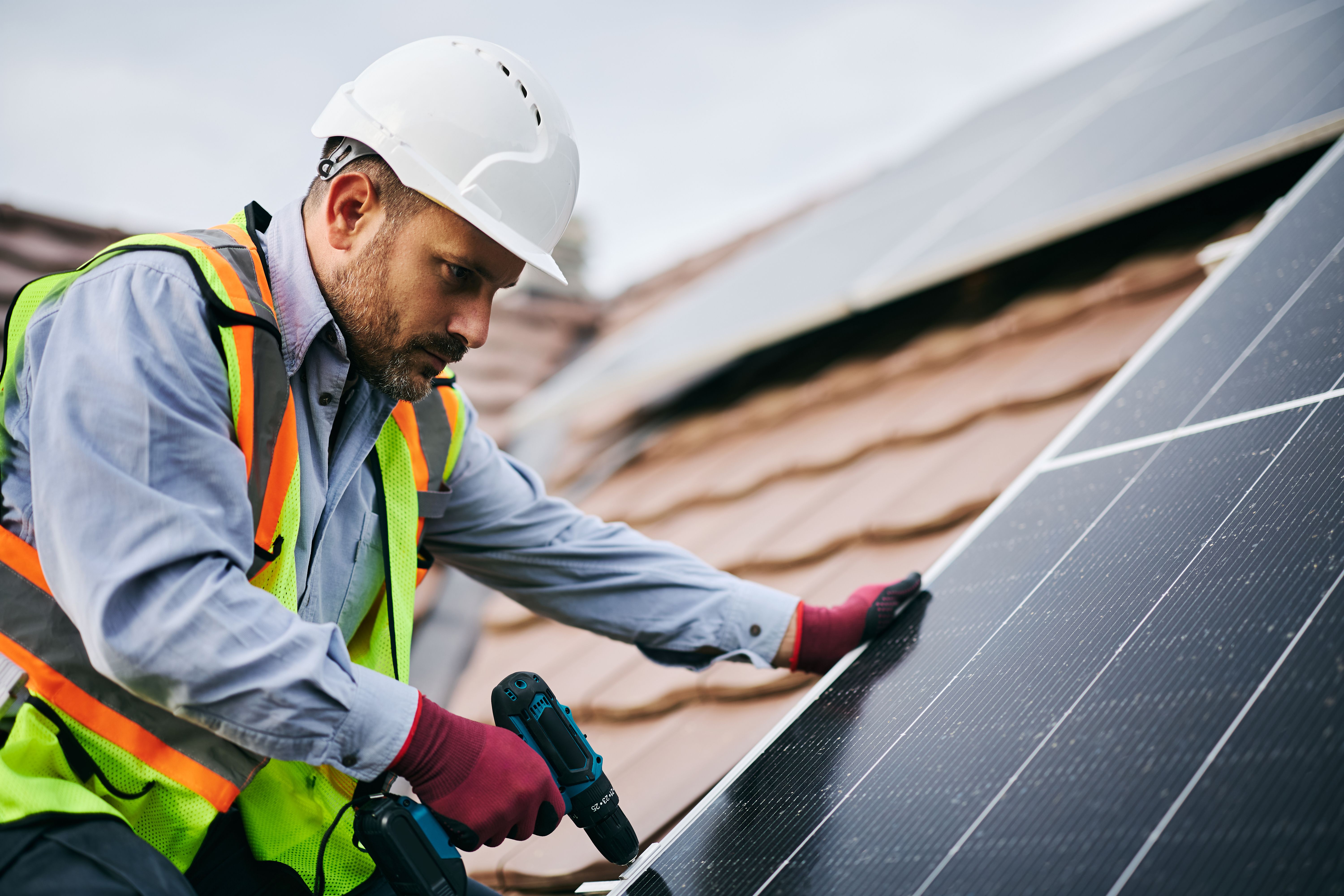
Renewable energy solutions, like solar panels and wind turbines, are becoming more accessible and affordable for homeowners. Investing in these technologies can greatly reduce reliance on non-renewable energy sources.
Solar panels are particularly popular, as they can be installed on rooftops to harness the sun’s energy, providing power for your home and even generating excess electricity that can be sold back to the grid.
Enhancing Insulation and Ventilation
Proper insulation and ventilation are essential for maintaining energy efficiency in any home. Improving insulation in walls, attics, and floors can prevent heat loss during winter and keep the home cool in summer.
Additionally, incorporating natural ventilation techniques, such as strategically placed windows and vents, can reduce the need for mechanical heating and cooling systems, further saving energy.
By embracing these eco-friendly renovation trends, homeowners can create a more sustainable living environment that benefits both their wallets and the planet. Whether it's through the use of sustainable materials, energy-efficient appliances, or renewable energy sources, the possibilities for making greener choices are vast and impactful.