Myth-Busting: Common Misconceptions About Home Renovation


Introduction to Home Renovation Misconceptions
Home renovation is an exciting journey for many homeowners, but it’s often clouded by common myths that can lead to confusion and frustration. Understanding these misconceptions can help you plan more effectively and achieve the results you want.

Myth 1: DIY is Always Cheaper
While taking the DIY route can save money on labor costs, it's not always the most economical option. Many homeowners underestimate the cost of materials and tools, and mistakes can lead to expensive fixes. Hiring professionals can sometimes be more cost-effective in the long run.
Myth 2: Renovations Always Take Longer Than Planned
Delays can occur, but they are not inevitable. Proper planning and a clear timeline can help keep your project on track. Communicate with your contractors and be proactive in addressing potential issues before they become problems.

Budget and Cost Misunderstandings
Myth 3: All Renovations Increase Home Value
Not all renovations have the same return on investment. While updating kitchens and bathrooms can add value, highly personalized projects might not appeal to future buyers. Consider your neighborhood's market trends before making major changes.
Myth 4: You Must Follow Trends
Trends come and go, and what’s popular today might not be tomorrow. Instead of focusing solely on current trends, prioritize functionality and timeless appeal. This approach can ensure your renovation remains stylish and relevant over time.

Misconceptions About Contractors
Myth 5: All Contractors Are the Same
Choosing the right contractor is crucial for a successful renovation. Not all contractors have the same level of expertise or professionalism. Conduct thorough research, check references, and read reviews to find a contractor who aligns with your vision and needs.
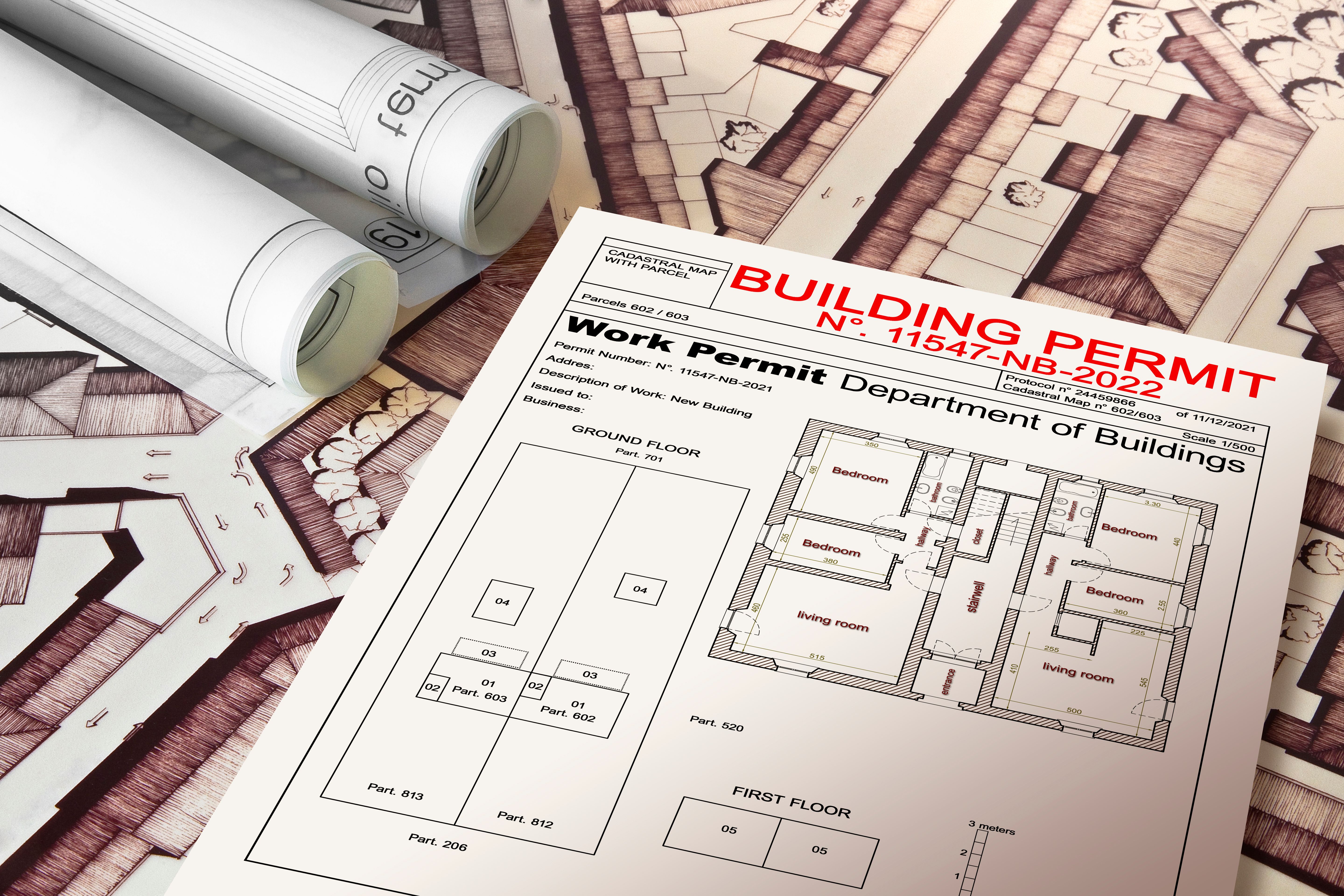
Myth 6: Permits Are Not Necessary
Some homeowners believe that permits are only needed for major renovations. However, many projects require permits to ensure safety and compliance with local regulations. Skipping permits can lead to fines and complications when selling your home.
Conclusion
By debunking these common myths, you can approach your home renovation project with a clearer understanding and realistic expectations. This knowledge will help you make informed decisions, ultimately leading to a smoother and more successful renovation experience.